The Moving Goalpost: Why Body Enhancement Won’t Buy Confidence
Imagine sitting on your couch on a rainy Sunday evening, mindlessly scrolling through your social media feed. You track past a friend’s vacation photos, a recipe video, and then—there it is. An influencer pops up on your screen, flaunting a hyper-exaggerated, hourglass silhouette that seems to defy the laws of human anatomy. The caption talks casually about a recent trip abroad for a quick “touch-up.”
You look down at your own reflection in the darkened screen of your phone. Suddenly, your normal, healthy waistline feels too wide. Your natural curves feel inadequate. In a matter of seconds, a seed of doubt is planted. You find yourself opening a new tab, typing into the search bar: “How much does it cost to get…”
We have all been there. Over the last decade, the pressure to fit in by radically altering our anatomy has reached a fever pitch. The media used to push diet pills and fitness routines; today, it pushes surgical reconstruction. We are constantly conditioned to believe that our bodies are just rough drafts waiting to be edited, sliced, and filled.
But behind the flawlessly filtered transition videos and the glamorous post-op reveals lies a dark, heavily guarded reality. The mainstream media highlights the glamour, but it completely ignores the physical toll, the psychological traps, and the endless cycle of dissatisfaction.
The truth we desperately need to talk about is simple: you cannot surgically install self-love.
The Dangerous Silence Around Complications
Cosmetic enhancements are heavily marketed today as casual lifestyle upgrades—almost on par with getting a fresh haircut or buying a luxury handbag. Pop culture has normalized these invasive procedures to the point where young men and women view major surgery as a routine rite of passage.
What the glossy advertisements and sponsored clinic reviews gloss over are the severe, sometimes permanent risks involved. Every invasive procedure carries a laundry list of potential medical nightmares. Hematomas, deep tissue infections, permanent nerve damage, and thick, painful keloid scarring are incredibly common side effects. More terrifyingly, popular fat-transfer and body-contouring surgeries carry a high risk of deep vein thrombosis (blood clots) and pulmonary embolisms, where displaced fat or blood clots travel through the bloodstream and block the lungs.
Tragically, thousands of people worldwide lose their lives every year in pursuit of these media-defined aesthetics. They walk into low-cost clinics completely healthy and never walk out, all because a predatory digital landscape convinced them that their natural bodies weren’t enough. No passing internet trend is worth your life.
The Moving Goalpost of the Next Enhancement
Even when a procedure is deemed a flawless success from a medical standpoint, there is a psychological trap waiting on the other side. Many people assume that altering a specific physical flaw will instantly cure their deeper insecurities. They believe that once they fix that one body part, they will finally be happy.
But a few months after the swelling goes down, a strange and unsettling phenomenon occurs: the dissatisfaction returns.
They look in the mirror and think, “Well, this part looks perfect now, but now my arms look too small in comparison,” or “Now my face doesn’t match the rest of my body.”
This happens because body dissatisfaction is rarely a physical problem; it is an internal, psychological wound. When you use a surgeon’s scalpel to fix an internal lack of self-worth, you create a moving goalpost. You find yourself looking for the next thing to enhance, then the next, and then the next. This addictive cycle of chasing an artificial ideal often leads to severe body dysmorphia, where individuals repeatedly alter themselves until they completely ruin their natural anatomy, leaving behind permanent physical disfigurement and deep, unshakeable regret.
The Unmatched Magnetism of Natural Confidence
The ultimate secret that the multi-billion-dollar beauty and media industries don’t want you to know is that true attractiveness cannot be manufactured in a clinic.
Think about the most genuinely magnetic people you have ever met in your life. When you picture them, is it the perfect symmetry of their features or the specific measurements of their body that draws you in? Almost never. It is their presence. It is how they carry themselves, how they walk into a room without asking for permission, and how kindly they treat themselves and others.
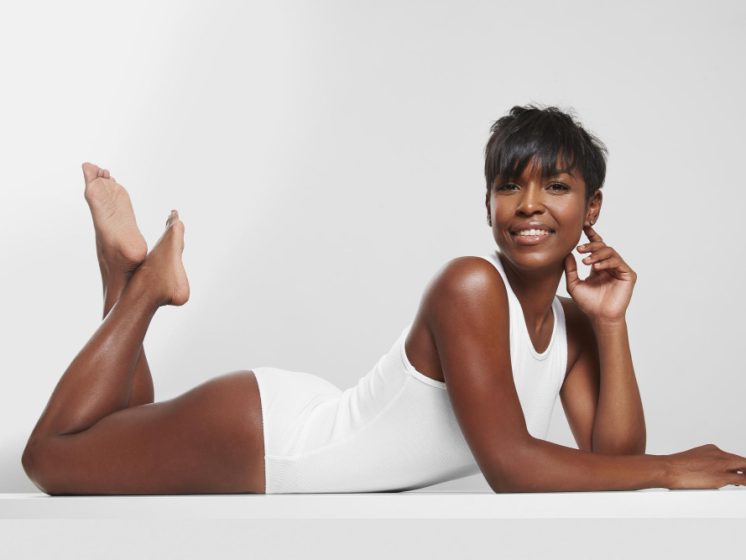
When you make the brave choice to love yourself exactly as you are, your entire posture changes. You stop shrinking to fit into someone else’s manufactured box. You operate from a place of wholeness rather than a place of lack. That radical self-acceptance radiates an authentic energy that is incredibly attractive to others. It is a timeless beauty that aging, gravity, and changing internet trends can never take away from you.
Becoming Your Best Version
There is absolutely nothing wrong with wanting to improve your appearance. Eating nutrient-dense foods, lifting weights to build strength, taking care of your skin, and dressing in a way that makes you feel vibrant are wonderful ways to honor your physical form. But there is a grand canyon of difference between building your body through healthy habits and breaking it to match a fleeting digital template.
The ultimate goal of self-care should be to evolve into the absolute best version of yourself without losing your originality. Your quirks, your natural proportions, and your unique genetics are what make you a masterpiece, not a carbon copy.
True fulfilment doesn’t exist on an operating table, nor does it live inside a social media algorithm. It begins the moment you look in the mirror, look past the flaws the world told you that you had, and decide that you are already enough. Protect your health, honor your originality, and start building the kind of internal confidence that no clinic could ever replicate.
What are your thoughts? Have you ever felt the intense pressure to alter your body to fit social media trends? How do you practice building natural, internal confidence? Let’s share our stories and support one another in the comments below!
