Words That Wound: The Long-Term Trauma of Body Shaming Children
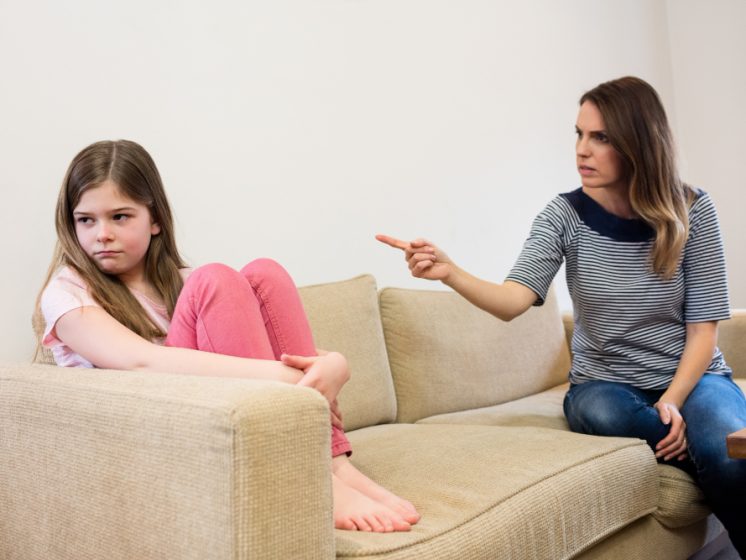
Eight-year-old Tunde stood in front of the mirror, adjusting his school uniform. He liked his bright yellow shirt, but as he tucked it in, he remembered his uncle’s words from the family dinner the night before: “Ahn-ahn, Tunde! At this rate, your tummy will arrive at school before you do! Reduce your food, big boy.” Everyone at the table laughed. It was meant to be a joke. His uncle thought he was just teasing, perhaps even dropping a playful hint to keep Tunde healthy.
But Tunde wasn’t laughing. In that quiet moment before school, the bright yellow shirt didn’t feel nice anymore. He felt exposed, heavy, and deeply ashamed. He didn’t see a growing, healthy body in the mirror; he just saw a problem that everyone was laughing at.
This scene plays out every single day in homes all over the world. Well-meaning parents, relatives, and coaches make casual comments about a child’s weight, appetite, or physical growth. We often mask these comments as concern for their health or well-being. We tell ourselves that we are just helping them stay on track, or that a little teasing will motivate them to make better choices.
But we need to be entirely honest with ourselves as adults: body shaming a child never makes them healthier. It just makes them hurt. When we comment negatively on a child’s body, we are not motivating them to change. Instead, we are leaving invisible scars that can last a lifetime, altering how they view themselves, how they eat, and how they navigate the world well into adulthood.
How Children Process the Wound
As adults, we have emotional filters. If a stranger or even a colleague makes a rude comment about our appearance, we might get upset, but we can usually rationalize it. We can tell ourselves that the person is being miserable or rude, and we can separate our true value from their opinion. Children do not have the cognitive or emotional tools to do that. They do not know how to separate a criticism of their physical body from a criticism of their core self. To a young child, your words are absolute, undeniable truth.
When a parent or relative says things like, “You are getting too fat,” or “Look how skinny your legs are, you look like a toothpick,” the child does not hear a helpful critique about fitness. What they actually hear is, “Something is fundamentally wrong with me, and I am not acceptable as I am.” Because children internalize the voices of the adults around them, that external criticism slowly becomes their own internal voice. They begin to look at themselves with the same harsh, judgmental eyes.
Furthermore, this dynamic destroys the most critical asset a child has: a sense of safety. A child’s home should be their safe harbor, the one place in a noisy world where they are completely accepted just as they are. When body shaming happens at the family dinner table or in the living room, that sense of safety vanishes. The child realizes that even the people who love them the most are tracking their flaws. This regular shame directly opens the door to chronic low self-esteem, deep sadness, anxiety, and a desire to hide away from social activities, sports, or family gatherings.
The Big Surprise: Why Shaming Backfires
Many adults truly believe that pointing out a child’s weight or body shape will push them to eat better or exercise more. It comes from an old-school mindset that assumes shame is a great motivator. But psychology and medical science show us that the exact opposite happens. If you think about your own life, you have probably never made a positive, lasting lifestyle change because someone made you feel deeply disgusted with yourself. Shame paralyzes people; it does not empower them. Children react the exact same way.
When a child is shamed, their body experiences an immediate stress response, which releases a hormone called cortisol. High stress levels and elevated cortisol can actually slow down metabolism and cause the body to store more fat, creating a physical reaction that goes entirely against what the adult intended.
Beyond the biology, shaming completely distorts a child’s relationship with food. When we monitor a child’s plate too closely or say things like, “Are you sure you need a second helping?” or “You’ve had enough for today,” we build extreme anxiety around eating. Food stops being simple nourishment and becomes a source of guilt. Instead of learning to eat healthily, the child often begins to hide food, eat in secret, or binge when adults aren’t looking because they feel starved of comfort and constantly judged. Pediatric research confirms that children who are teased about their bodies by family members are significantly more likely to struggle with unhealthy weight gain and disordered eating as they grow into teenagers.
Building a Safe Home Environment
To protect our children from the lifelong trauma of body shaming, we need to intentionally change the emotional environment around them. We can build a home where their self-worth is fiercely protected, even if the outside world is obsessed with looks.
The first step requires a radical audit of our own language. Children are like little tape recorders, and they play back exactly what they hear. If you look in the mirror and complain about your own weight, your wrinkles, or your shape, your child learns that human bodies are things to be judged harshly. When you say you need to go to the gym to “burn off dinner,” they learn that movement is a punishment for eating. We must stop criticizing our own bodies in front of our kids and instead speak about ourselves with kindness and respect.
We also need to actively separate food from morality. Food is fuel, comfort, and culture, but it is not inherently good or bad, and eating it does not make a child a good boy or a bad girl. Avoid using food as a reward for good behavior, like giving sweets for high grades, or withholding it as a punishment. Teach them to listen to their stomach’s natural signals by encouraging them to eat when they are hungry and stop when they are full.
Another powerful shift is to change the way we praise our children. We should shift our compliments away from physical appearance entirely. Instead of telling a child they look slim in an outfit or commenting on how big they are getting, focus heavily on their actions, effort, and character. You can tell them how much you love how creative their mind is, or praise how fast they ran on the football field, or note how kind they were to a friend. This teaches them that their value lies in who they are and what their body can do, not how their body looks to other people.
Finally, we must build a defense shield for our children. You cannot control what people say outside your house, but you can set firm rules for your environment. If a relative, neighbor, or family friend makes a comment about your child’s body, step in immediately. You can say calmly but firmly, “In our family, we don’t comment on bodies; we focus on being healthy and happy.” This teaches your child two vital things: that you have their back, and that the critical comment was wrong, not them.
Final Thoughts
A child’s body is the wonderful vehicle that allows them to run, laugh, play, hug, and experience this world. It is a tool for living a full life, not an ornament to be displayed, measured, and judged by society. Our words have immense power as parents and guardians. They can either build a fortress around a child’s heart that protects them for life, or they can tear it down from the inside out. Let us intentionally choose words that heal, encourage, and protect the precious children in our care.
What are your thoughts on this? Have you noticed how casual comments affect the little ones around you? Let’s talk about it in the comments below!
